
Updated Dec 23rd 2025
AI garden design uses machine learning to transform a photo of your outdoor space into realistic visual concepts—showing you how different styles and layouts could look before you commit to any changes. Instead of imagining what a contemporary patio or cottage-style border might look like, you see it rendered directly onto your actual garden in seconds.
This guide covers how AI garden design works, what features matter most in a quality tool, and how to move from a single photo to multiple design directions you can compare and refine.
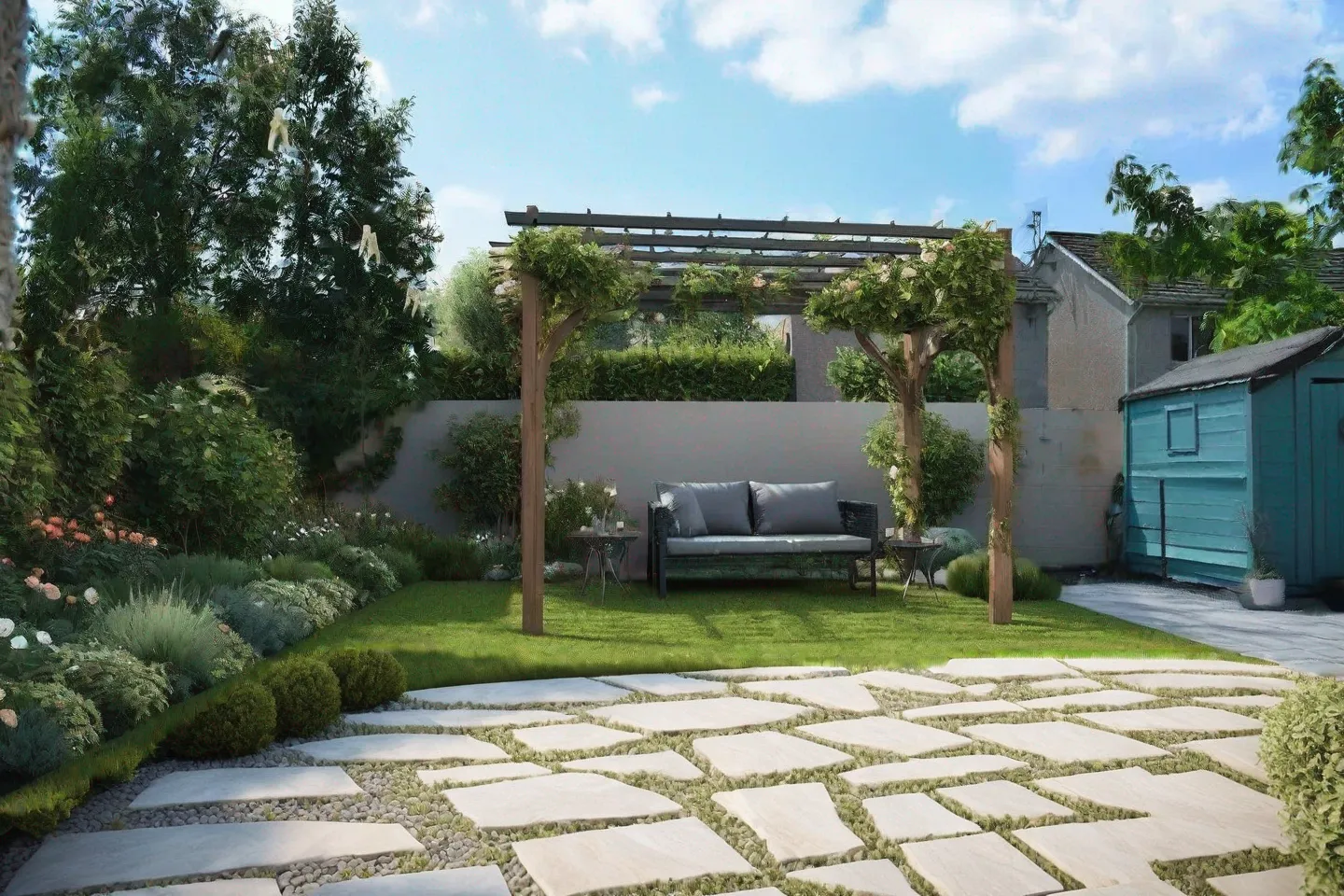
AI garden design takes a photo of your outdoor space and transforms it into realistic visual concepts—showing you what different styles and layouts could look like before you make any changes. You upload an image of your current garden, yard, or patio, and the AI analyzes the space to generate design ideas tailored to that specific area.
The process works like this:
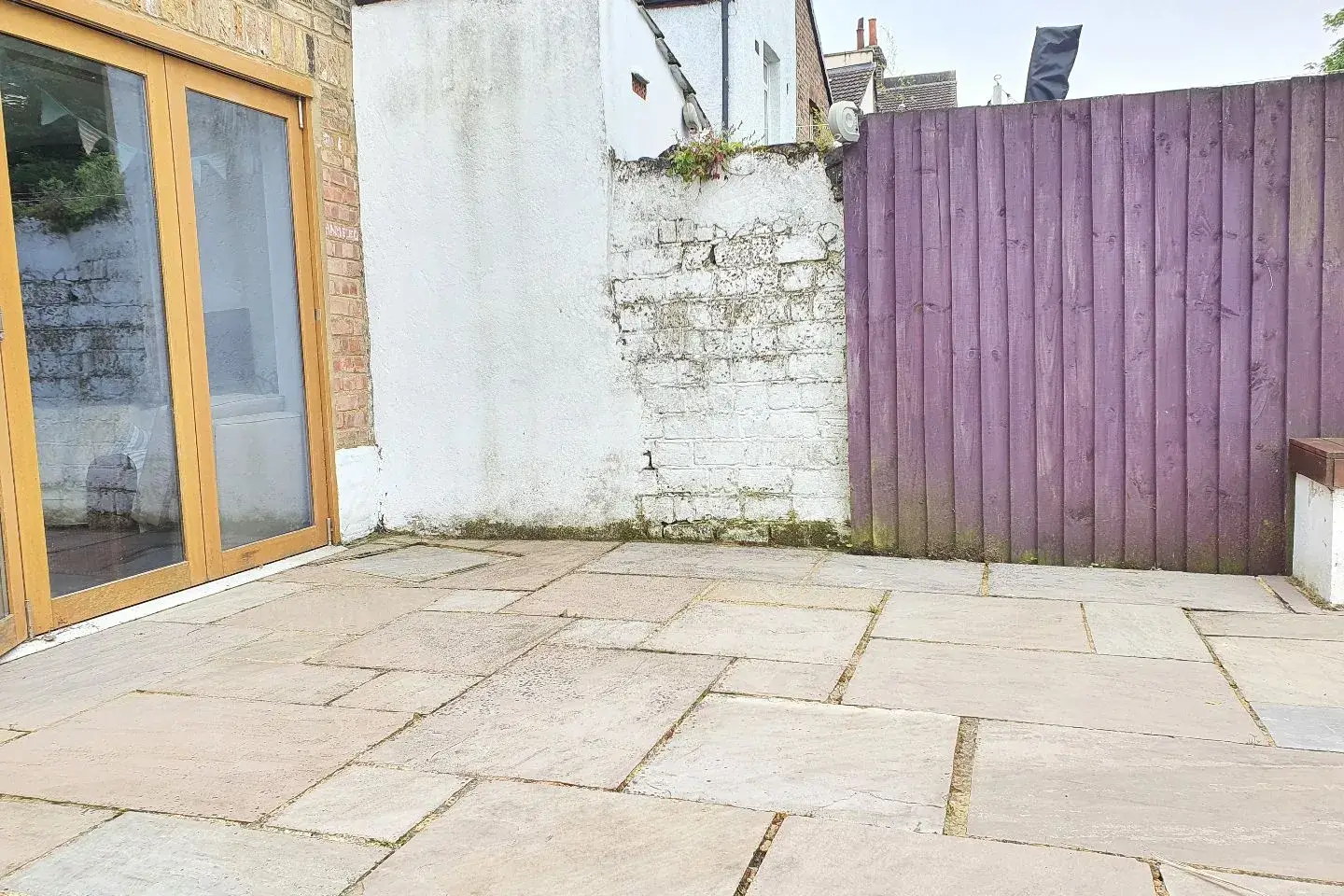
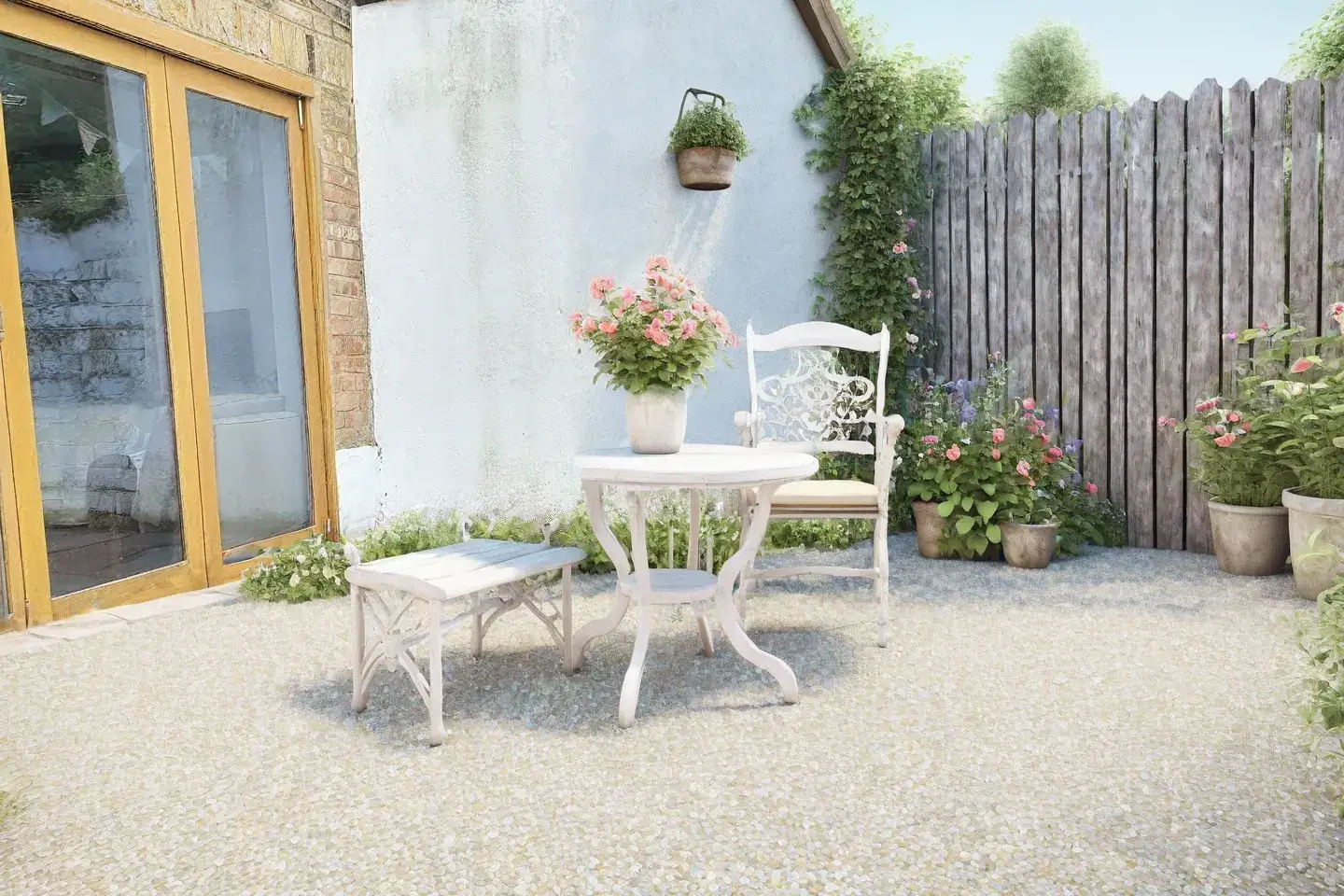
Tools like Rescape AI make this accessible to anyone, regardless of design background. Rather than trying to imagine how a Japanese-inspired corner or modern garden might look, you see it rendered directly onto your actual space. Think of it as a creative brainstorming partner that works at digital speed.
Traditional garden planning often involves hiring a landscape architect, waiting weeks for concepts, and paying substantial fees before seeing a single idea. For many homeowners, that process feels out of reach—or simply more involved than what's needed for a backyard refresh.
AI garden design changes the equation in a few key ways:
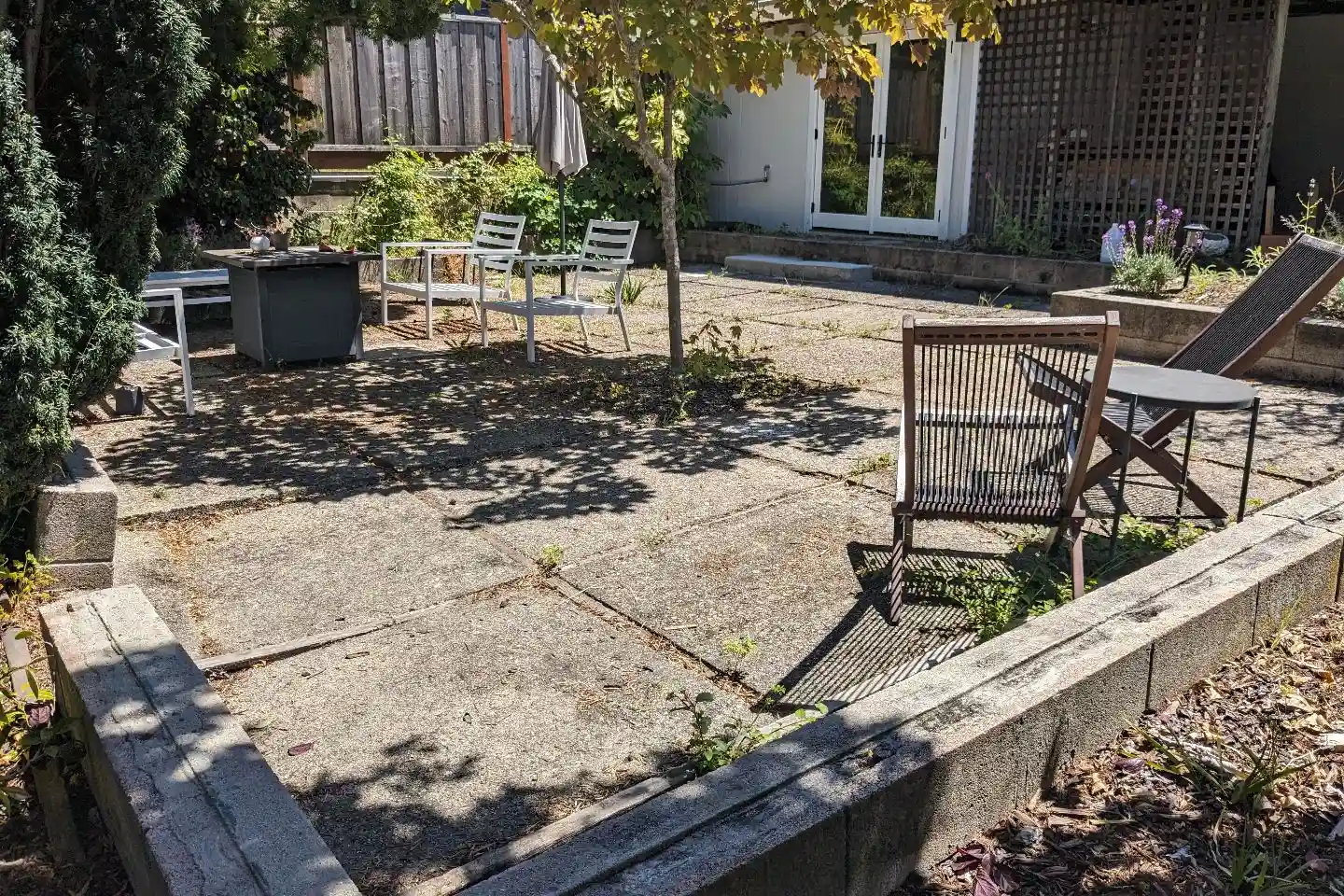
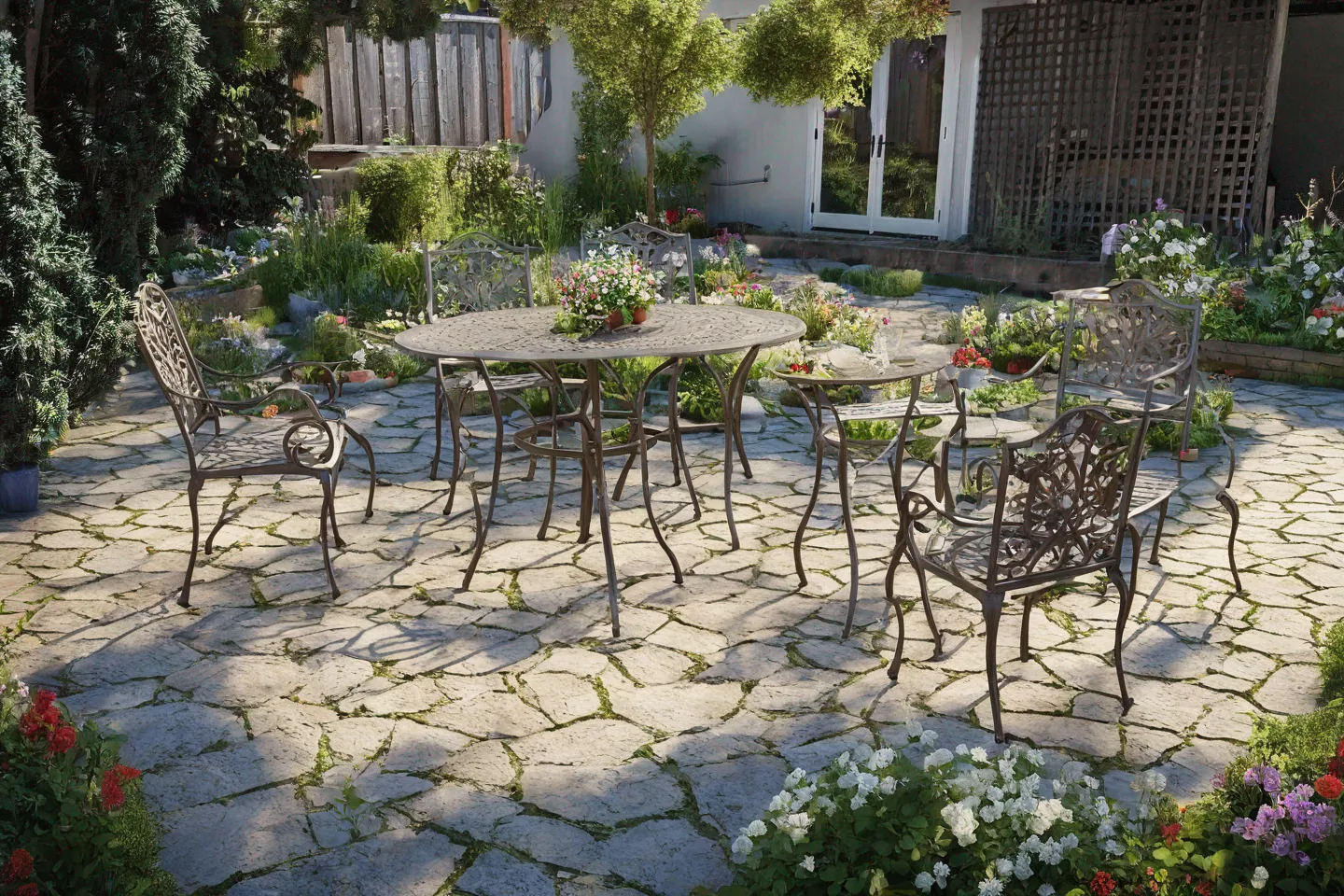
Here's the thing—you might not know exactly what you want, and that's perfectly fine. AI tools let you experiment freely, testing styles you might never have considered until you see them applied to your own garden.
Not all AI garden tools deliver the same results. Some produce vague or unrealistic output, while others give you genuinely useful visualizations. The features below separate high-quality generators from basic options.
The most effective AI garden design tools start with your actual outdoor space, not a generic template. You photograph your garden as it exists today, and the AI uses that image as the foundation for every design it generates.
This approach grounds the results in reality. You see what changes would genuinely look like in your specific setting—with your fence, your trees, your patio dimensions. Rescape AI builds every concept directly from your uploaded photo, so the output reflects your space rather than someone else's.
Speed matters when you're exploring ideas. Waiting days between concepts slows down the creative process and makes comparison difficult.
The best tools let you generate design after design in seconds. You can try formal layouts, cottage-style planting, contemporary hardscaping, or wildlife-friendly features without pausing between each variation. This rapid iteration often helps you discover directions you wouldn't have considered otherwise.
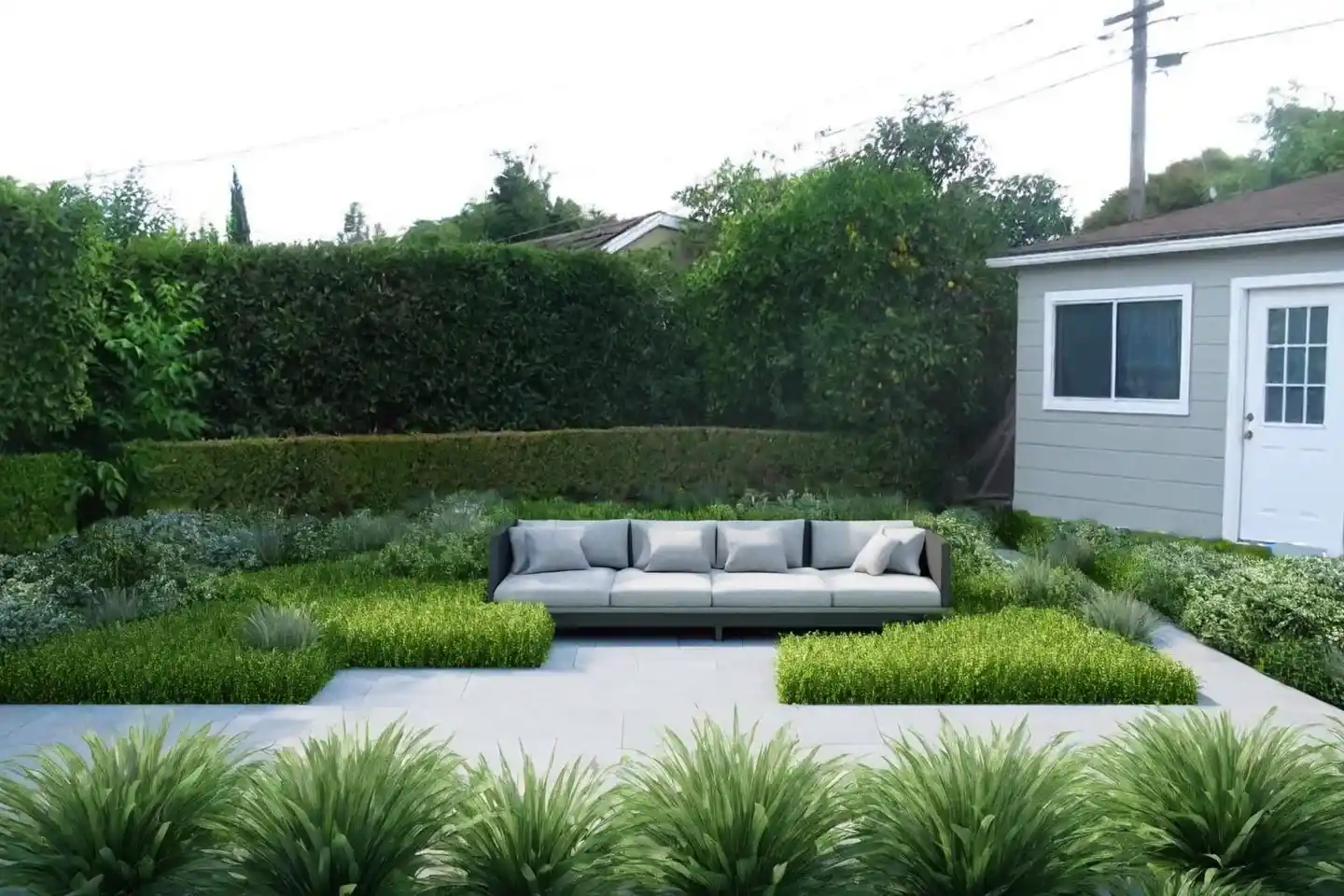
Quality varies significantly across AI tools. Some produce cartoonish sketches that make it hard to evaluate whether a style actually suits your space. Others generate high-definition, realistic renderings that look closer to actual photographs.
The more realistic the output, the easier it becomes to make confident decisions about your garden's direction.
Professional landscape design can cost hundreds or thousands of dollars for initial concepts alone. AI garden planners offer a different model—credit-based pricing that lets you generate many designs without a large upfront investment.
Rescape AI, for example, offers packages starting from a few dollars, making experimentation genuinely accessible for homeowners who want to explore options before committing to bigger expenses.
Getting started with AI garden design takes only a few minutes. The process is straightforward, even if you've never used design software before.
Grab your smartphone and photograph the area you want to redesign. This could be your front yard, backyard, patio, balcony, or even a small patch of soil you've been meaning to improve.
No professional photography skills required—a clear, well-lit image works perfectly. Natural daylight typically produces the best results.
Next, select from available design styles. Options typically include contemporary, cottage, formal, Japanese-inspired, Mediterranean, wildlife-friendly, and many more.
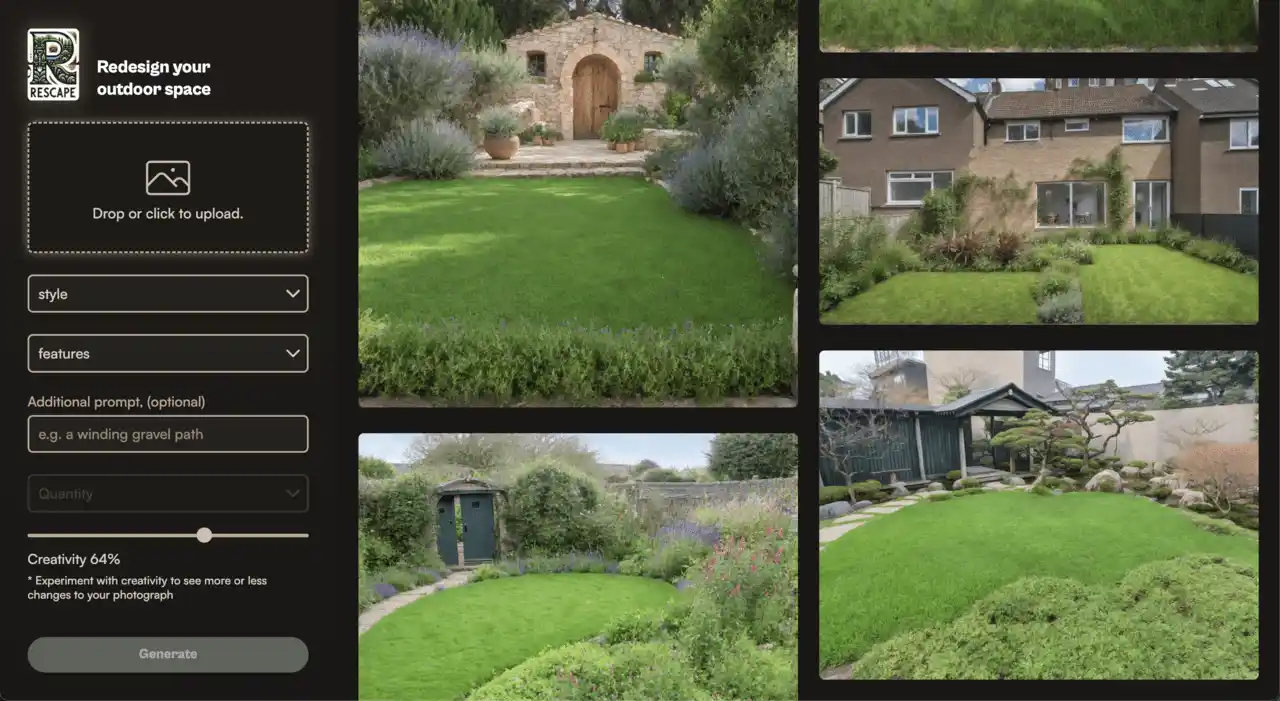
You can try different styles using the same photo, which makes comparison easy. If you're unsure what appeals to you, this is a good opportunity to experiment withoptions you haven't consideredbefore.
Click generate and watch the AI produce design concepts in seconds. Review the results, then generate additional variations if you want to explore further.
Compare options side by side until you find inspiration that resonates with your vision. The goal isn't necessarily to find a perfect final design—it's to clarify your direction and gather ideas you can refine or share with contractors.
AI garden tools handle far more than traditional backyard lawns. The technology adapts to various project types and space sizes, from sprawling properties to compact urban balconies.
Your front yard creates the first impression of your home. AI can help you visualize lawn alternatives, new pathway layouts, updated planting beds, or complete style transformations—all rendered onto your existing front-yard photo.
This is particularly useful if you're considering changes like replacing grass with drought-tolerant landscaping or adding a welcoming entrance garden.
Backyards often serve multiple purposes: relaxation, entertaining, play areas, gardening. That versatility can make planning tricky—how do you balance competing priorities?
AI tools let you experiment with patio configurations, pergola placements, lawn shapes, and seating arrangements. You can test different layouts without committing to any single direction, which helps clarify what matters most for your space.
Flower beds and borders benefit from visual planning. Colors, heights, and textures interact in ways that can be hard to predict from plant labels alone.
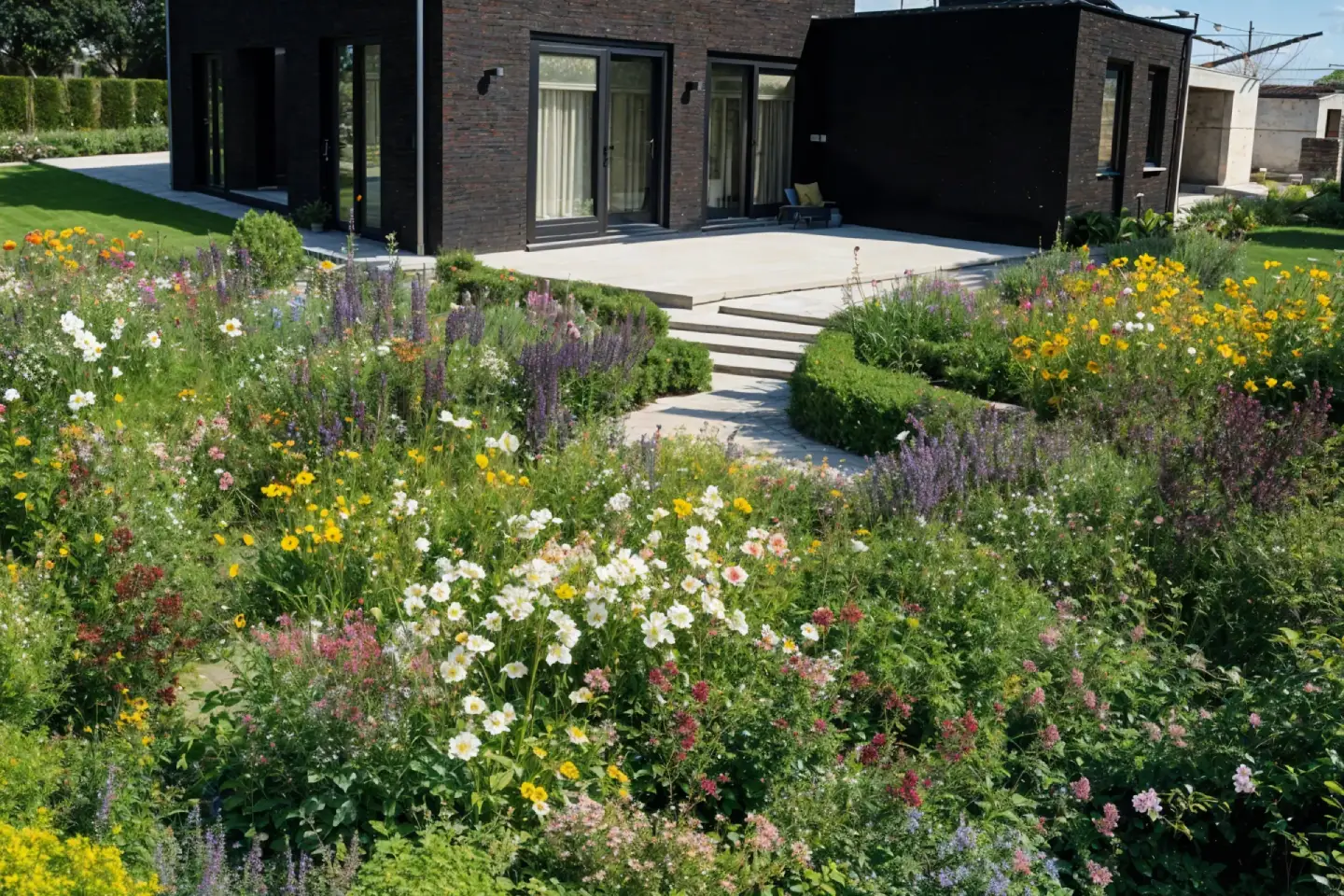
You can test different planting arrangements, border shapes, and color schemes to see how they'd look in your actual garden before purchasing plants. This reduces the risk of expensive mistakes and helps you create more cohesive designs.
Limited square footage doesn't mean limited options. AI garden design works for balconies, courtyards, and compact urban spaces—helping renters and city dwellers visualize container gardens, vertical planting, and small-scale transformations.
Even a few square meters can become a meaningful outdoor retreat with the right approach.
You might be wondering whether free AI garden design tools can meet your needs. The answer depends on what you're trying to accomplish.
If you're casually curious, a free option might suffice for initial exploration. If you're seriously planning changes and want to compare multiple concepts, paid tools generally deliver better value. The ability to generate many variations—and refine your direction over time—often makes the difference between vague inspiration and actionable plans.
AI garden design puts professional-quality visualization within reach. You photograph your space, choose styles that interest you, and generate realistic concepts in seconds—no design expertise required, no lengthy wait times.
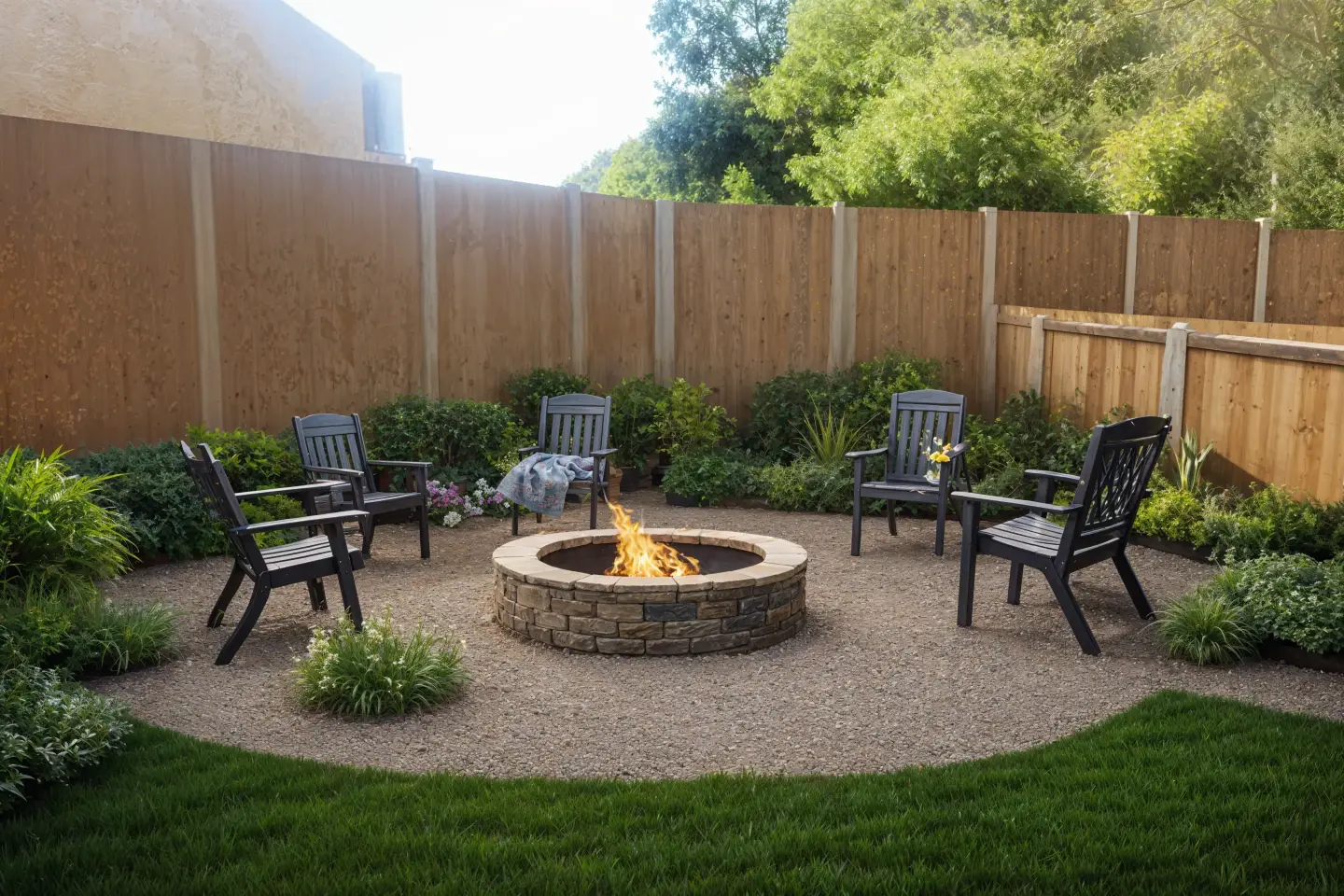
Whether you're reimagining a front yard, planning a patio transformation, or simply exploring what's possible, AI tools let you experiment freely and compare options until you find inspiration worth pursuing.
Create your AI garden design with Rescape AIYes, several AI garden design tools offer free trials or limited free generations. Rescape AI lets you start generating designs from your own photo with affordable credit packages, making it easy to explore without a large upfront commitment.
AI-generated designs serve as inspiration and visualization aids rather than exact construction blueprints. They give you a realistic sense of how different styles could look in your actual space, helping you make more confident decisions before starting physical work.
The 70/30 rule suggests using approximately 70% of one dominant element—typically greenery or a primary material—and 30% accent features for visual balance. AI tools can help you visualize layouts that follow this principle by generating designs with varied proportions.
© Rescapeai 2024
[email protected]