
Urban gardens turn small, often overlooked city plots, balconies or backyards into living, breathing green spaces. They combine function and beauty, offering fresh produce, biodiversity, and a peaceful retreat from the bustle of city life — even within the hardest-to-garden surroundings.
Urban gardens thrive when carefully structured to suit their constrained setting. Unlike sprawling country plots, city gardens often require more deliberate planning. You might be working with a narrow backyard, a courtyard between buildings, or a small balcony. With that in mind:
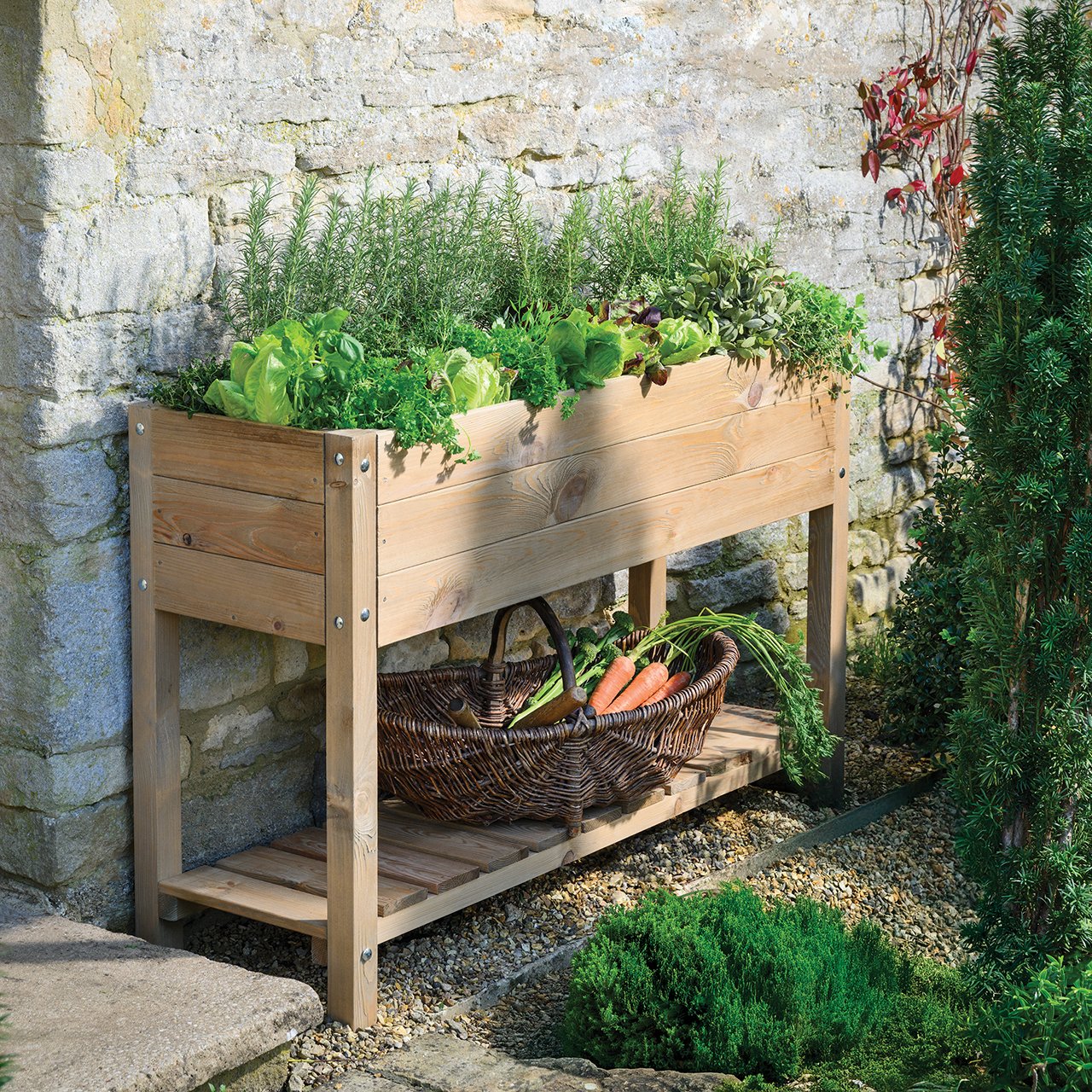
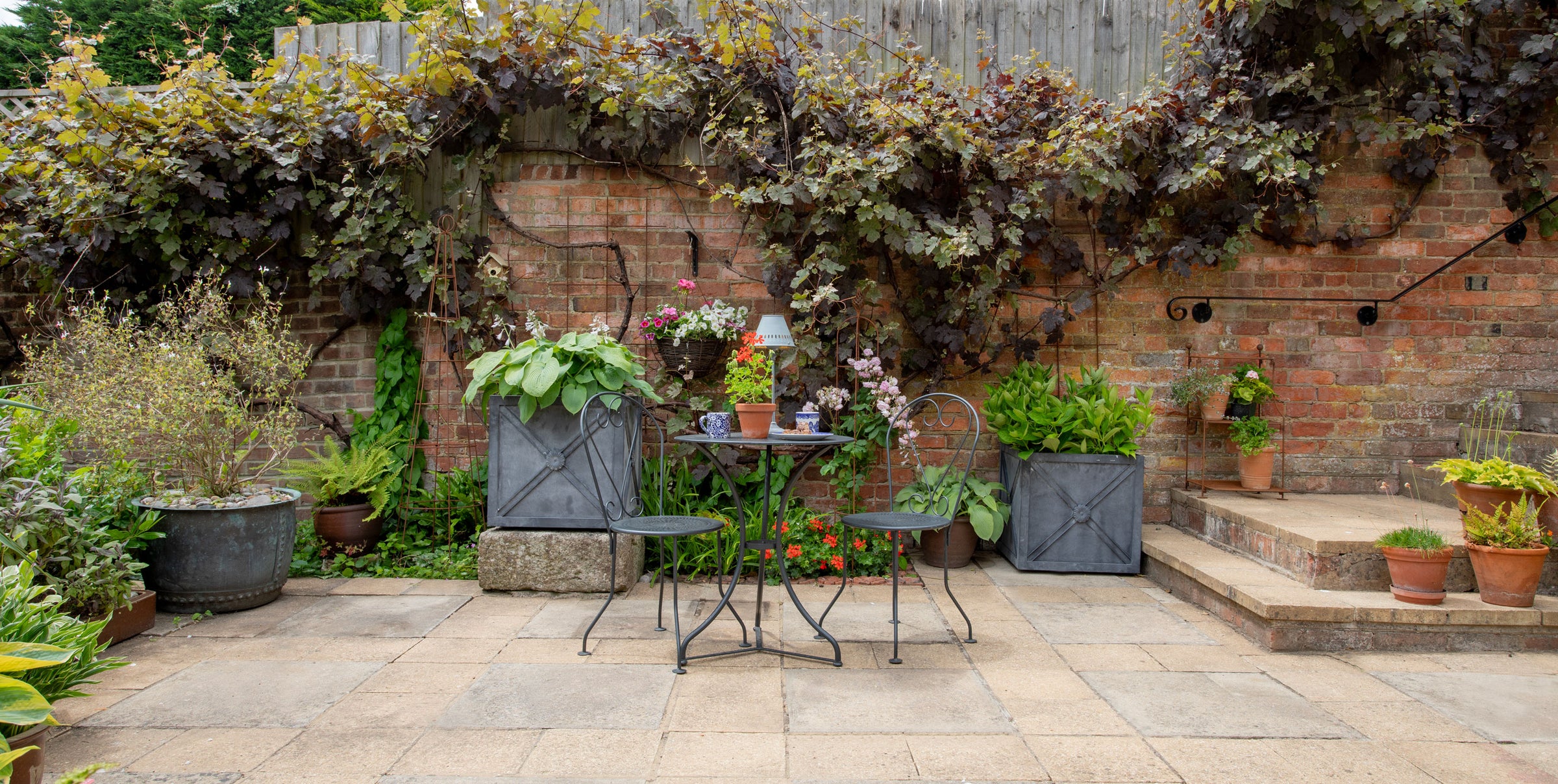
Soft landscaping — the plants and living elements — brings an urban garden alive. Because city gardens often face limitations (soil quality, light, drainage, space), choosing the right kinds of plants is vital.
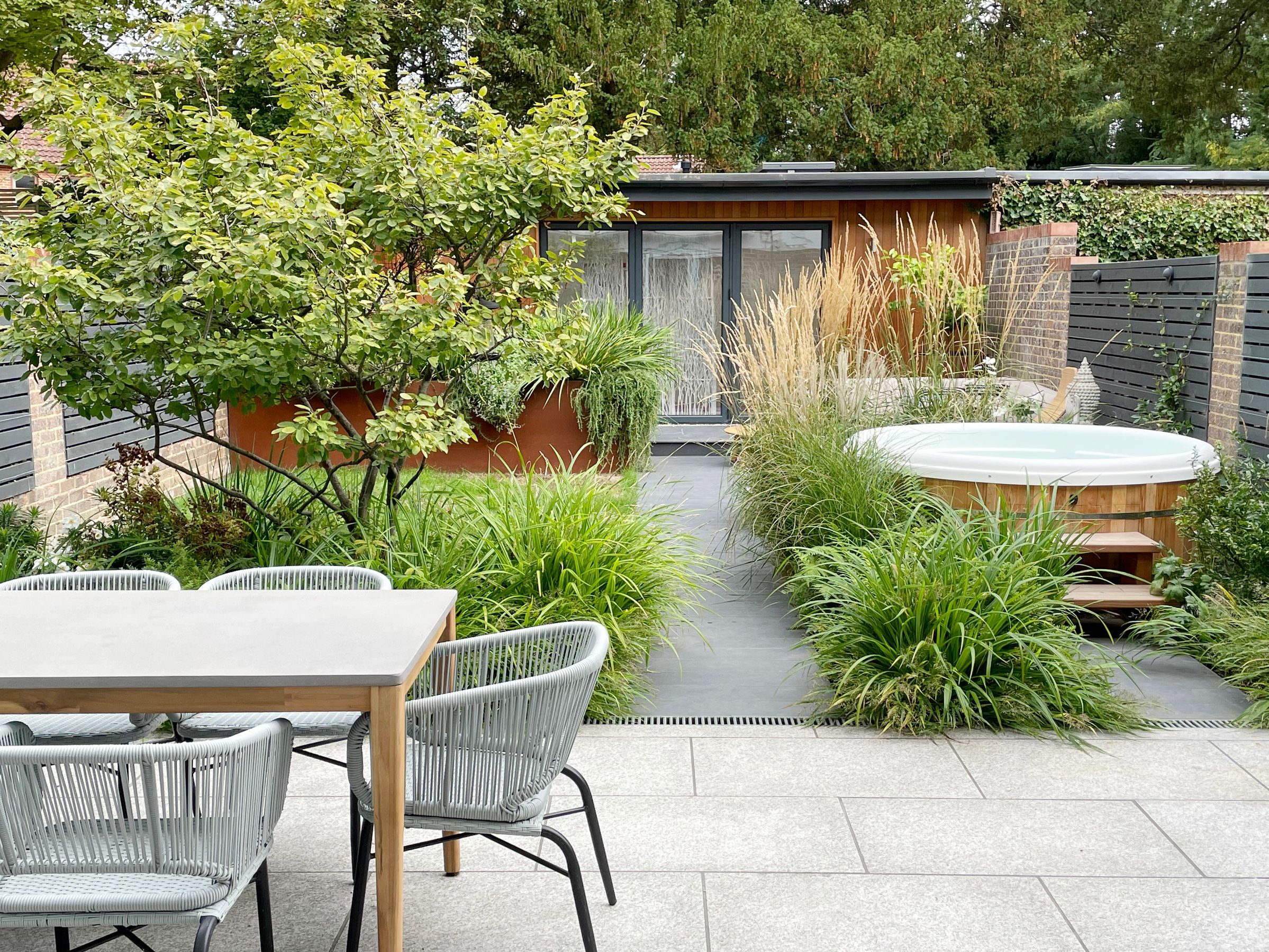
Hardscape & Structural Materials
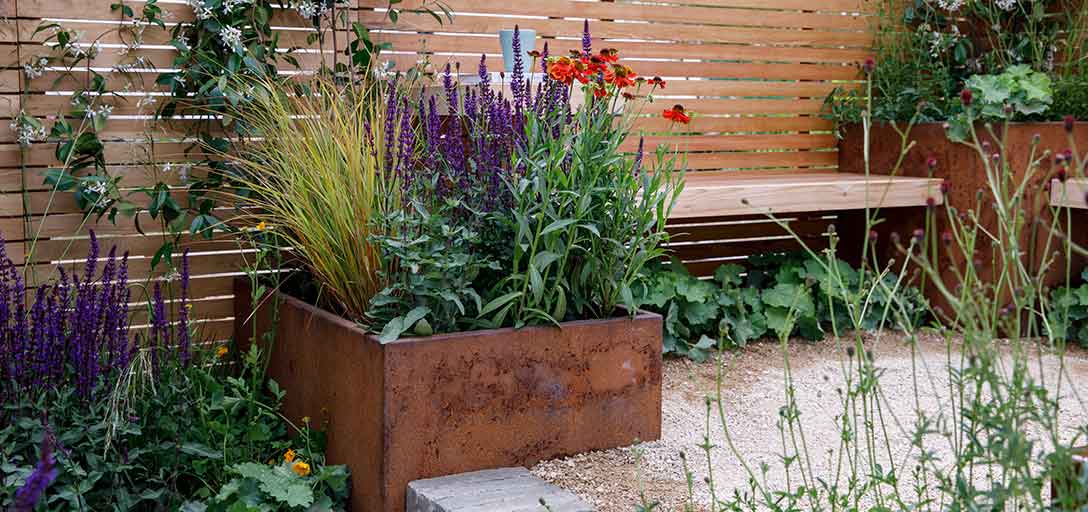
These features provide the "bones" of your garden — walkways, edges, planting containers, fences, walls, seating areas, and vertical supports for climbing plants. In urban gardens, materials should be chosen to maximize functionality while also enhancing aesthetics. Raised beds, containers, and pots are especially useful when soil quality is poor or when working on a balcony or paved courtyard, as they allow you to bring in suitable soil and control drainage.
Paths, paving, and decking should use materials that complement the garden's design aesthetic; smaller paving stones, gravel, or lightly coloured surfaces help keep the space feeling open and bright, while raised or inset decking can define seating or dining areas.
Vertical structures and supports such as trellises, walls, fences, pergolas, or railings provide space for climbing plants and help make the most of limited ground area. Using a simple, cohesive material palette — for example, one type of paving and one type of wood or metal — also helps create unity; one well-designed urban garden used crushed limestone, cedar, and steel cladding for a harmonious look.
Containers, pots, and planters are particularly valuable for balconies or patios, allowing you to grow herbs, edibles, or ornamentals even without access to ground soil, and a mix of pot sizes adds scale and visual interest.
The plants and living elements — brings an urban garden to life.
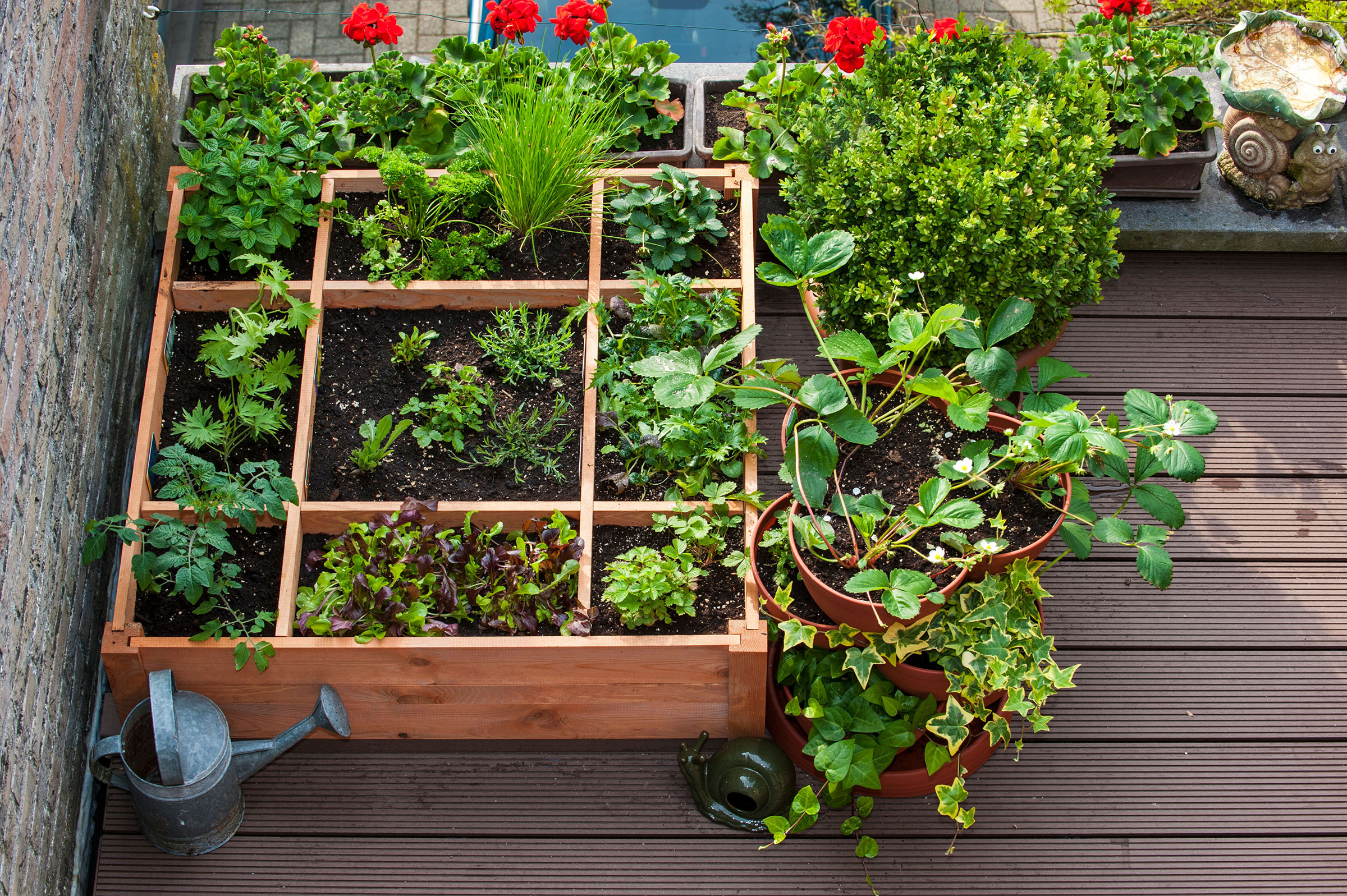
City gardens often face limitations such as poor soil quality, restricted light, drainage issues, or a lack of space, so selecting the right types of plants is essential.
Using improved soil or compost in containers or raised beds is often necessary because many urban soils are compacted, low in nutrients, or contaminated; high-quality potting mixes encourage strong root growth. A thoughtful mix of plants provides structure, texture, and seasonal interest: shrubs, small trees, and clipped forms create a permanent backbone, while grasses, perennials, herbs, and edibles add colour, fragrance, and movement.
It is also important to choose plants suited to the garden's light conditions, selecting shade-loving varieties for darker areas and sun-loving ones for brighter spots. Vertical planting and climbers take advantage of walls, fences, or trellises, maximizing vertical space and softening hard surfaces — a key strategy for small urban gardens.
Edibles and herbs are especially practical, as they require little space and reward the gardener with useful, fresh produce.
Because urban gardens often deal with space, light, and soil constraints, certain plants tend to perform particularly well. Ferns, hostas, and other shade-loving perennials thrive in shady courtyards or north-facing gardens, bringing greenery to darker corners.
Ornamental grasses and flowing perennials add movement, texture, and softness, especially when paired with more structured plants. Small shrubs and structural plants provide year-round shape and definition, forming the backbone of a coherent design.
Herbs and compact edibles such as basil, thyme, salad greens, or cherry tomatoes grow very well in containers or small beds, making them ideal choices for balconies or compact gardens. Climbers and other vertical plants use walls, fences, or trellises to create lush, green boundaries and maximize limited space.
Urban gardens offer benefits far beyond beauty. They can improve air quality, enhance biodiversity, and strengthen climate resilience by adding green pockets to built-up areas, filtering pollutants, sequestering CO₂, and providing habitat for wildlife.
They also help mitigate heat by cooling the surrounding area, reducing the "urban heat island" effect through shading and natural moisture release.
Edible planting supports fresh, home-grown produce, offering economic and nutritional value to city dwellers.
On a personal level, gardens support mental health and wellbeing by offering privacy, calm, and connection to nature; gardening itself is grounding, relaxing, and emotionally rewarding.
To keep an urban garden functional and attractive year-round, it helps to plan for all seasons by combining evergreens, perennials, shrubs, annuals, and herbs to ensure consistent interest. Containers and raised beds offer flexibility, better soil control, and easy rearrangement — useful for renters or anyone who likes to adapt their layout. Making use of vertical space with trellises, wall-mounted planters, or green walls increases planting opportunities in tight areas.
It's also important to consider local conditions such as light, wind, soil, and drainage: shade-tolerant plants for dim courtyards, hardy containers for windy terraces, high-quality potting soil where ground conditions are poor, and good drainage in paved or compacted areas. Keeping maintenance manageable is key in small gardens; too many species or overly complex planting schemes can increase upkeep. A restrained, well-chosen palette repeated in generous groupings typically looks cohesive and is easier to manage.
Urban gardens may be modest in size — but with the right design approach, materials and plants, they can become verdant, useful, and deeply rewarding parts of city living. By combining structural materials (beds, containers, paving, vertical supports) with soft landscaping (plants selected for light, space, purpose), you can create a garden that brings biodiversity, fresh herbs or vegetables, seasonal beauty, and calm to even the most compact urban plot.
Whether you have a narrow back yard, a rooftop terrace, a balcony or even just a paved courtyard — thoughtful design and plant choices can help you build a green oasis that enriches both your home and your city environment.
Urban garden design must work within tighter constraints — limited space, poor soil, shade from surrounding buildings, and sometimes wind exposure on balconies or rooftops. Because of these factors, urban gardens rely heavily on containers, vertical space, and carefully selected plants that thrive in constrained environments.
Shade-loving plants like ferns and hostas work well in darker courtyards, while sun-loving grasses, herbs, and compact shrubs thrive in brighter spaces. Climbers are excellent for all gardens because they make use of vertical surfaces such as walls and fences.
Keep your plant palette simple and repeat plants in larger groupings to reduce the number of species you need to care for. Choose low-maintenance shrubs, perennials, and hardy container plants. Automated or slow-release watering systems can also help.
© Rescapeai 2024
[email protected]