
Designer: Rosemary Coldstream
Image attribution: RHS
Urban gardens — whether small backyards, rooftop terraces, balconies, or compact courtyards — are more than leftover patches of land. When designed well, they become functional, relaxing, and ecologically valuable outdoor spaces. Key to a good urban garden is how it makes the most of limited space, balances built and living elements, and adapts to the realities of city life: light, noise, neighbours, micro-climate, and mobility.
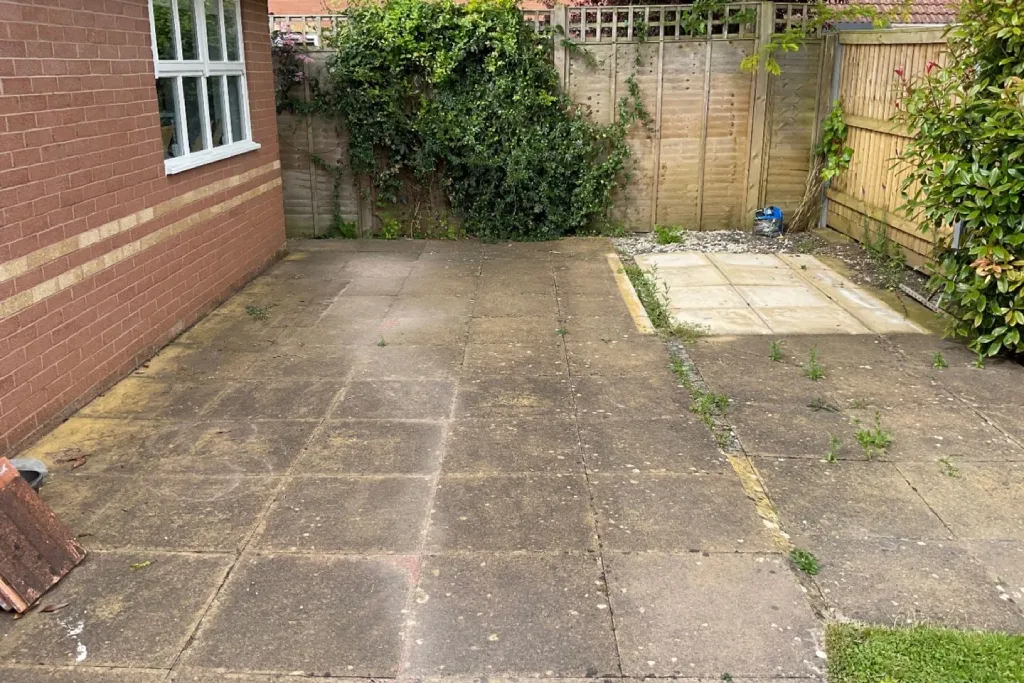
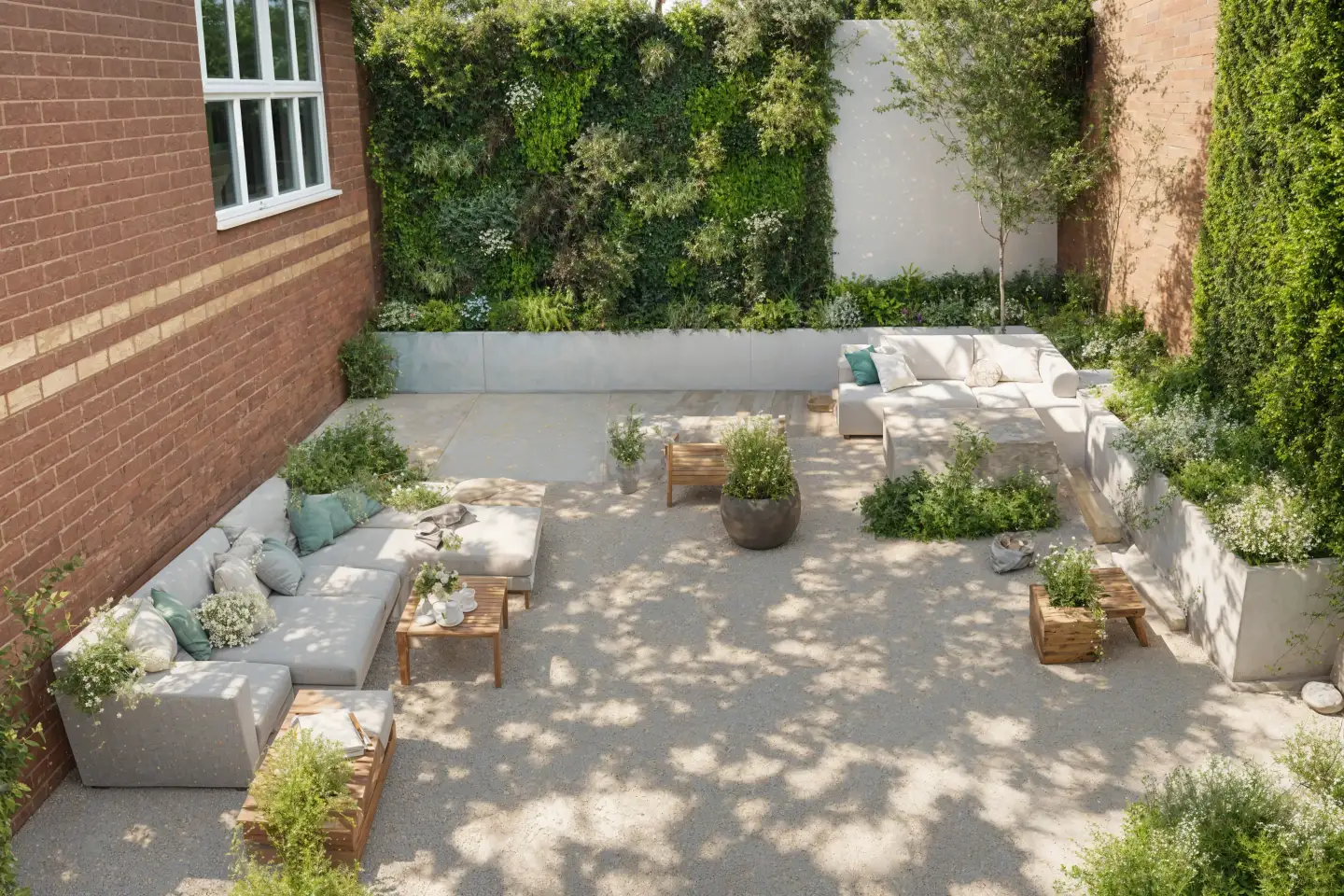
When planning an urban garden, these principles help guide design so the space feels purposeful, comfortable, and alive:
Below are common features that make successful urban gardens — many of them draw also on contemporary-garden design ethos, but are tailored to the urban context.
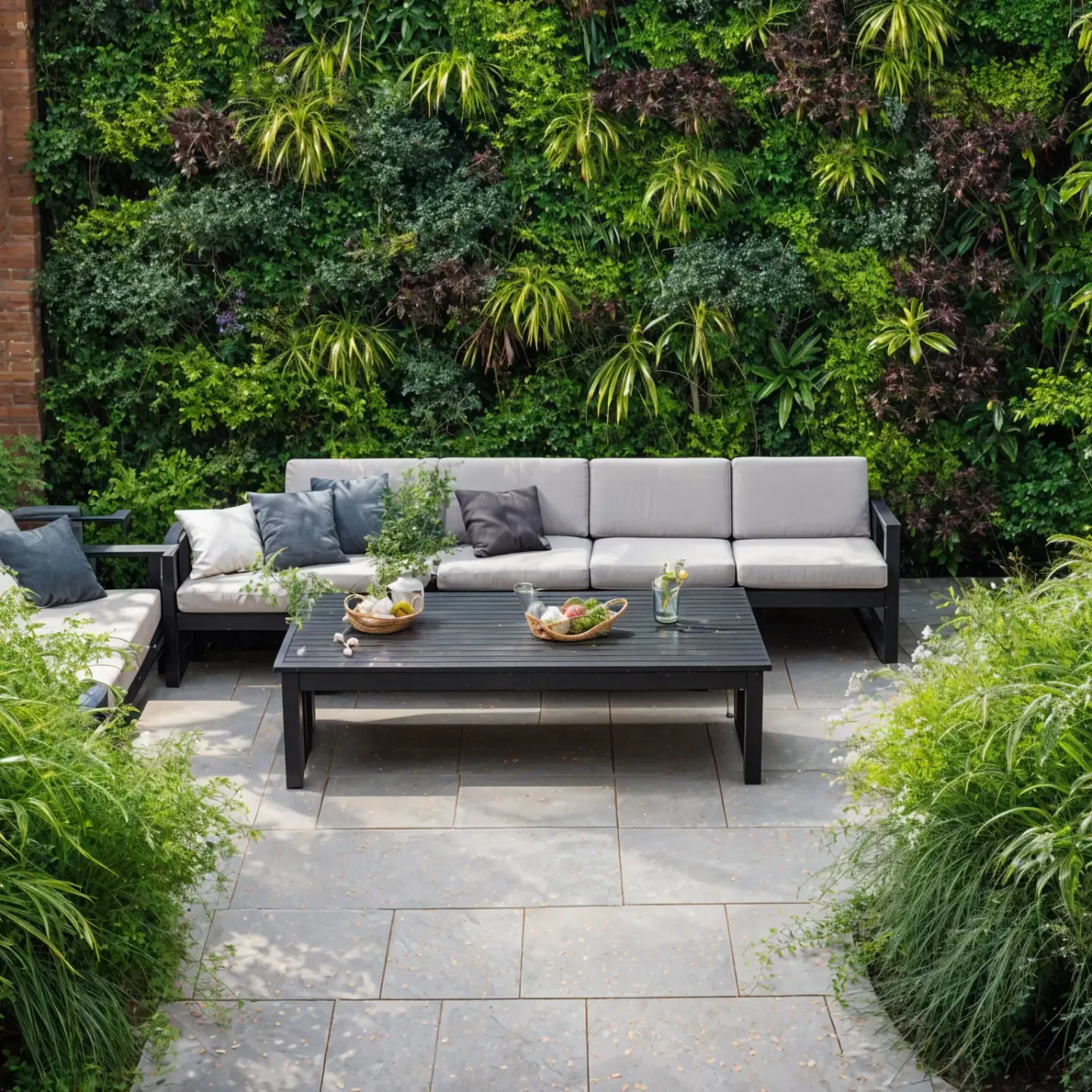
Because space is limited, urban gardens often benefit from clear zoning:
Seating / relaxation area — A small patio, deck or paved area for a table and chairs or bench. Helps turn the garden into an outdoor living "room."
Planting / growing area — Raised beds, containers or small beds for flowers, shrubs, herbs, vegetables — defined separately from seating to avoid clutter.
Vertical or overhead space used — Trellises, walls, fences, containers that use height instead of width to add planting without eating up floor space.
Flexibility and multipurpose features — Built-in seating with storage, planters that double as screens, small patios that convert to dining or lounge areas — to maximise usability.
This zoning helps a small garden feel organised, purposeful, and larger than it is.
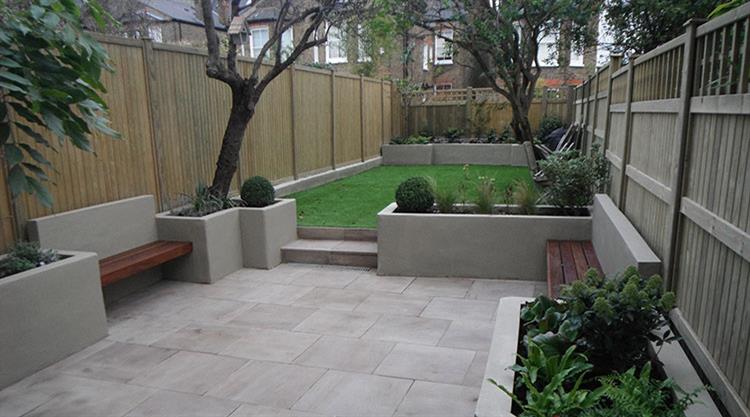
A successful urban garden often blends structural elements with living planting — the hardscape gives form and function, the softscape brings life, texture, colour:
Hardscape features: paving or decking for seating/paths; fences or walls for privacy or boundary; containers and raised beds if ground soil is poor or absent.
Soft elements: plants — shrubs, climbing plants, perennials, small trees, herbs — carefully chosen to suit light, space, and maintenance constraints.
Geometry and clean lines (if inspired by modern/contemporary style): Simple paving shapes or decking, linear layout — these give order, and work especially well when paired with structured planting or minimalistic design.
Such balance ensures the garden remains usable and inviting, while still feeling natural and alive.
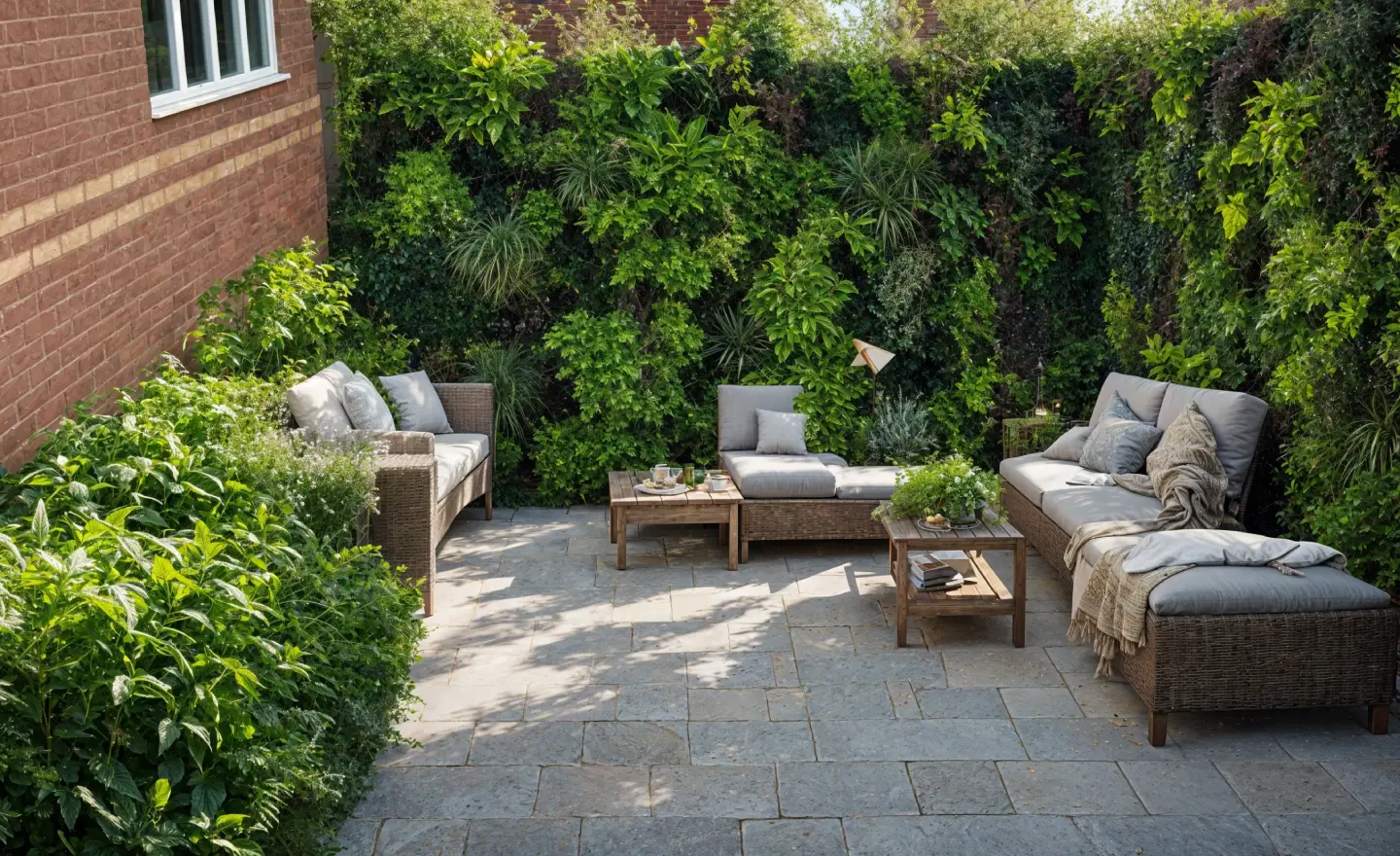
Space constraints are often the biggest challenge in cities. Urban gardens often overcome this by thinking vertically and creatively:
Climbers and vertical planting — Using walls, fences, trellises or vertical planters to grow plants upward. This increases green coverage without requiring ground space.
Green walls or living walls / containers on balconies/roofs — Where soil ground is unavailable, green walls or container-based planting help introduce greenery, enhance air quality, and make use of available vertical surfaces.
Compact planting and layering — Combining tall, medium, and low-height plants to create a layered effect: useful for privacy, shade, and visual interest even in tight spaces.
By building upward rather than outward, urban gardens squeeze much more value from limited footprints.
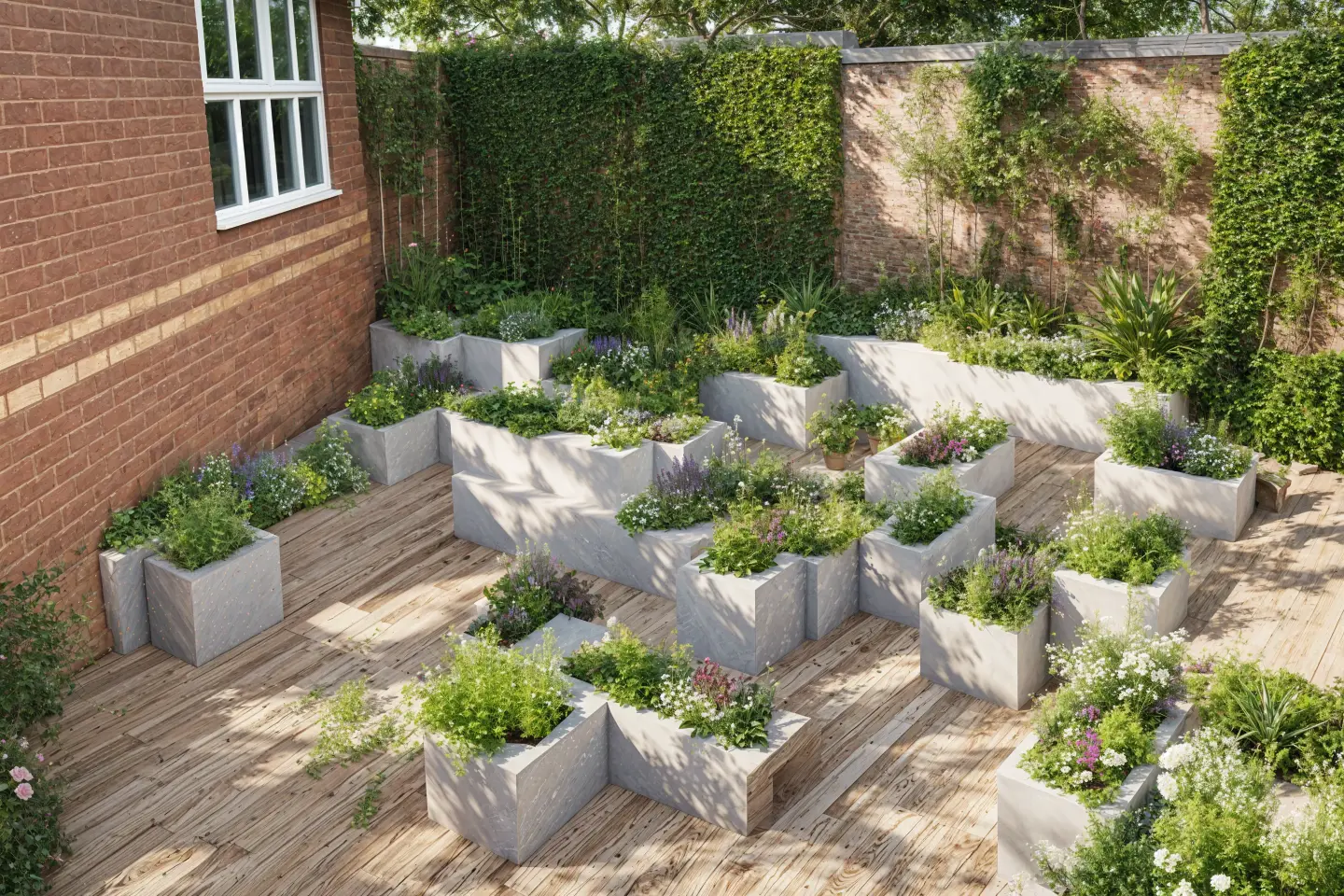
Urban gardens can — and arguably should — contribute positively to urban ecology, climate resilience, and sustainability. Some of their notable environmental features are:
Biodiversity support — A mosaic of gardens (private and communal) across a city can create corridors and habitats for wildlife (birds, insects, small animals), improving urban biodiversity.
Air quality and micro-climate improvement — Plants help filter air, absorb CO₂, release oxygen and moisture, and can help moderate temperature — offering natural cooling in built-up areas.
Water management & sustainable drainage — Features like rain gardens or permeable surfaces (in place of impermeable paving) can help manage rainwater, reduce runoff, and prevent flooding — especially helpful in dense urban areas.
Adaptation to urban climate challenges — Urban gardens can buffer heat, reduce urban-heat-island effects, offer shelter from wind or traffic noise, and create a more comfortable micro-environment for people and wildlife.
Often, the value of an urban garden is not just in plants, but in the extra living space — a private outdoor refuge or social area. Features that support this include:
Seating and dining zones — Even a small courtyard or paved area can host a table and chairs for meals, morning coffee, socialising or quiet time.
Screening and boundaries for privacy — Fences, walls, tall planters, hedges or trellises with climbing plants help create a sense of enclosure and privacy in dense urban neighbourhoods.
This turns an urban garden into a genuine extension of home — a place to relax, socialise or reconnect with nature.
Urban gardens often bloom under constraints: tight footprints, odd pockets of light, stubbornly poor soil—or none at all—along with gusty wind, city grime, privacy gaps, and the reality that maintenance must stay manageable. Yet with a bit of design alchemy, each challenge can become a springboard for creativity.
When the ground is stingy or paved over entirely, the solution is to build upward or outward with intention. Containers, raised beds, planters, and vertical structures allow roots to thrive where soil cannot. They turn patios, balconies, and rooftops into layered growing environments.
Shifting shade and inconsistent sunlight call for a cast of plants that are comfortable in softer light. Pale surfaces can bounce brightness into dimmer corners, while vertical frames and tiered arrangements help every leaf catch whatever light wanders in.
For urban soundscapes and exposed edges, planting becomes both shield and sanctuary. Screens, trellises, fences, hedges, and even murmuring water features can soften noise and shape a sense of enclosure, transforming a vulnerable space into a small refuge within the city.
Good urban garden design doesn't try to replicate a large country garden. Instead it works with the constraints — making the garden efficient, beautiful, functional and sustainable.
Urban gardens offer benefits that go beyond aesthetics:
Improved urban ecology and biodiversity: Each garden — private or shared — adds to a network of green spaces that support wildlife, pollinators, birds, and increase ecological connectivity across a city.
Better air quality, micro-climate and comfort: Plants moderate urban heat, improve air, provide shade, and create a cooling, calming micro-environment.
Well-being and lifestyle benefits: A garden — even a small one — offers a private outdoor space to relax, enjoy nature, grow food or plants, entertain, and escape the concrete hustle of city life.
Sustainability and resilience: Through rain-water management, green infrastructure, native planting, container gardening, and biodiversity support, urban gardens contribute to more sustainable, resilient cities.
In a time when cities grow denser and open green space becomes more precious — urban gardens represent a powerful, accessible way for individuals to reconnect with nature, support the environment, and build healthier, greener urban living.
Urban gardens remind us that you don't need wide meadows or sprawling land to enjoy the benefits of a garden. With thoughtful design, smart use of space, and purposeful features — from zoning and hard-soft balance to vertical planting, privacy, and ecological awareness — even the smallest city plot can become a living, breathing oasis.
Whether the aim is a quiet retreat, a social outdoor room, a green sanctuary for wildlife, or a compact space to grow herbs and flowers — what matters is making design choices that respond to space, environment, and how you want to live in that garden.
Urban garden design embraces the constraints of small, complex spaces rather than trying to mimic large country gardens. It focuses on efficiency, smart use of space, aesthetics, and sustainable solutions tailored to city environments.
They enrich urban ecology, support wildlife, and create green corridors that help reconnect fragmented ecosystems. Even small gardens contribute to biodiversity by offering food, shelter, and stepping-stone habitats for pollinators, insects, and birds.
Absolutely. Even the tiniest balcony or courtyard can become a restorative space — a place to unwind, connect with nature, grow food or flowers, or simply enjoy a quiet moment outdoors away from the city buzz.
© Rescapeai 2024
[email protected]